 23 years clinical experience · 9 languages
 Parasites: what matters, what doesn’t, and what to do next
Many observations blamed on parasites are caused by other issues. This page helps you think clearly, reduce risk, and choose sensible next steps.
This page gives you the clinical picture. The free check helps you understand your risk. ERRIC connects the dots with your full symptom history.
Tick everything you've experienced in the last 3 months
- Persistent diarrhea or loose stool ✓
- Bloating, abdominal discomfort, gas ✓
- Nausea or appetite changes ✓
- Unexplained fatigue or low energy ✓
- Itchiness (sometimes worse at night) ✓
- Rashes or skin irritation (many other causes exist) ✓


Common parasite patterns — symptoms & risk
Quick reality check
Parasites exist — but they're not the default explanation for every digestive or skin symptom. The goal is to avoid panic and focus on evidence-based steps.
When it's more likely
Risk rises with recent travel, unsafe water/food exposure, contact with infected household members, or specific high-risk foods. Context matters.
Best first move
If symptoms persist or you have risk factors, consider proper medical testing. Self-treating blindly can delay the real diagnosis.
Do any of these patterns sound familiar?
The free parasite check maps your symptoms against known patterns. Takes 3 minutes. No account needed.
Educational images
For awareness only. Diagnosis requires clinical history and testing — not images alone.

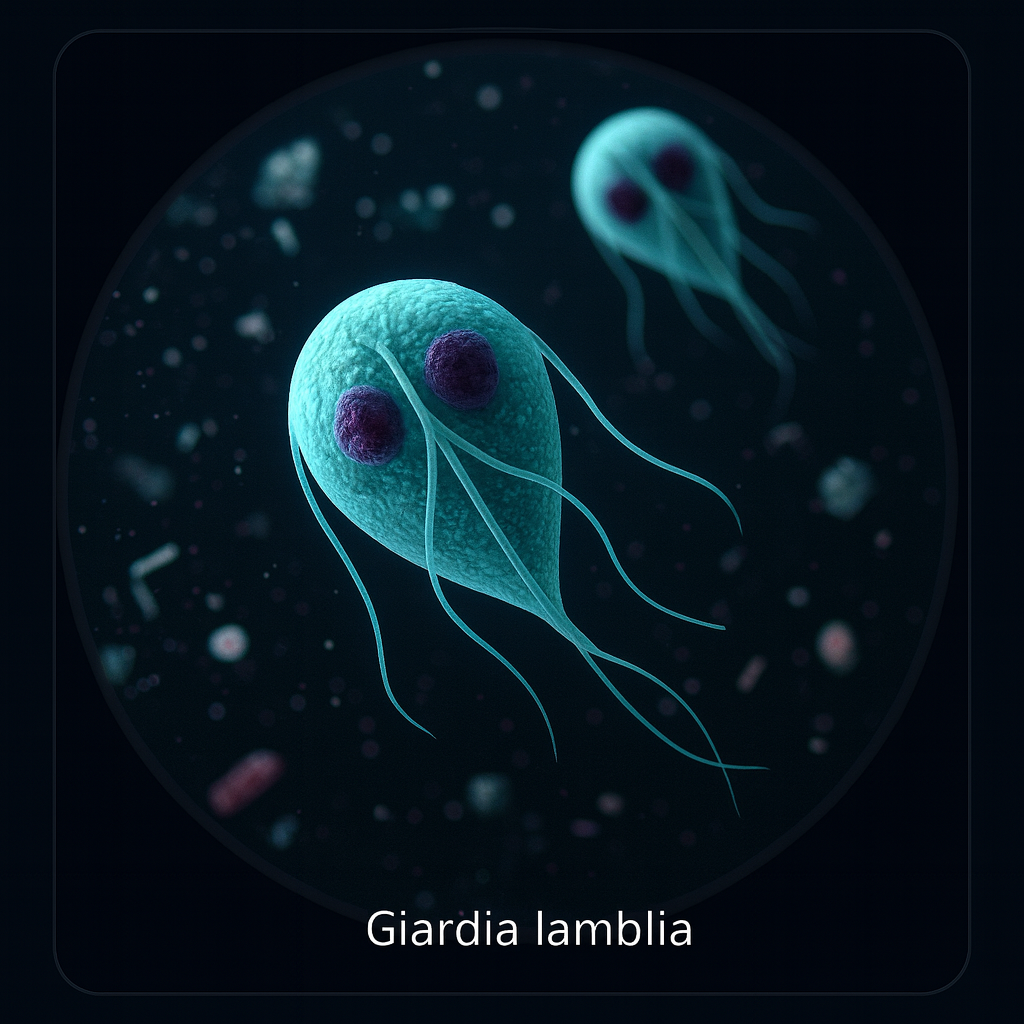
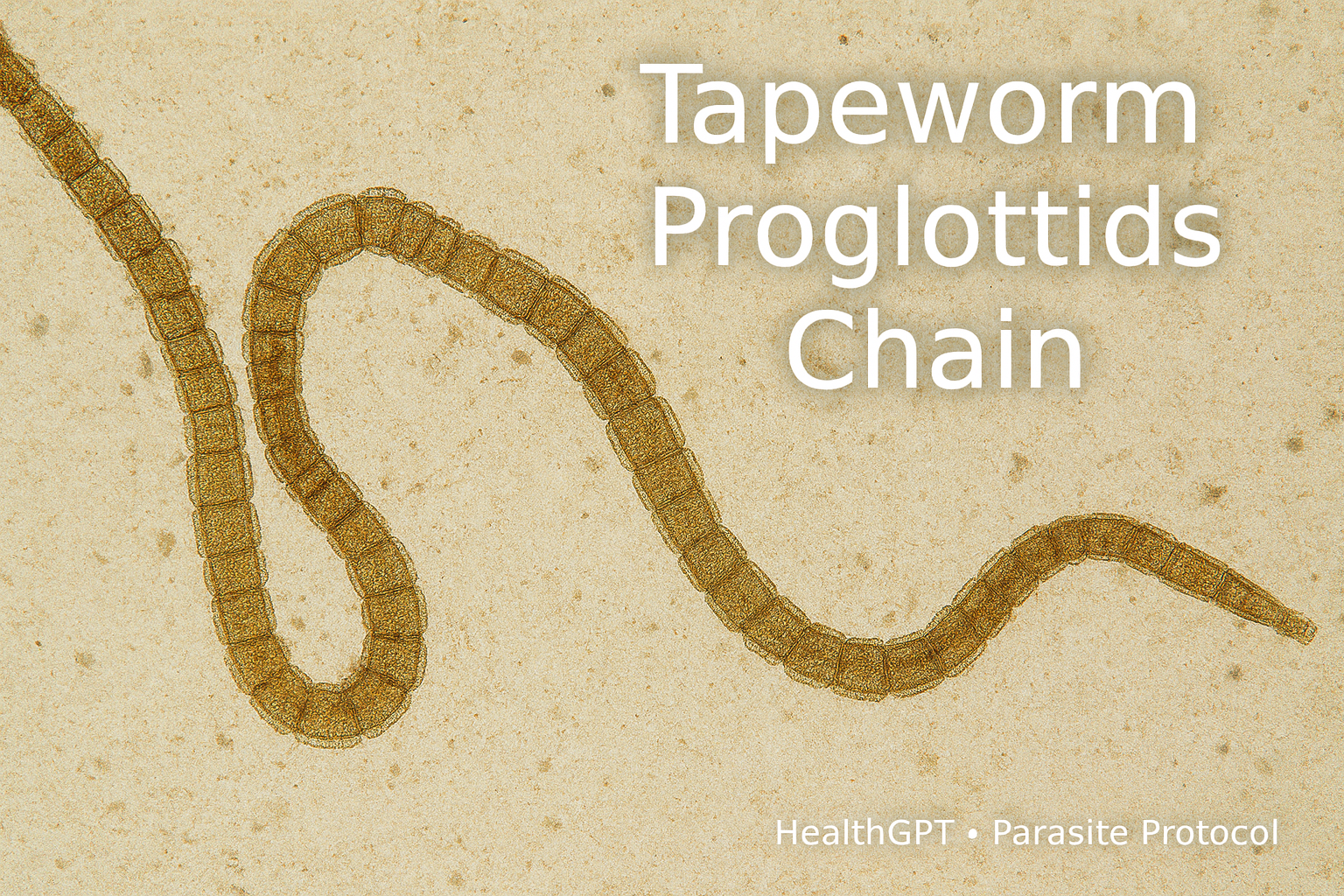

📌 Common symptoms (not specific)
Parasite-related symptoms overlap heavily with IBS, food intolerances, stress, and medication effects. Use symptoms as signals — not proof.
- Persistent diarrhea or loose stool
- Bloating, abdominal discomfort, gas
- Nausea or appetite changes
- Unexplained fatigue or low energy
- Itchiness (sometimes worse at night)
- Rashes or skin irritation (many other causes exist)
🔬 How exposure happens
- Undercooked meat or fish
- Unwashed produce
- Contaminated water (travel, lakes/streams)
- Close contact in households (some parasites spread easily)
- Animal contact (depends on parasite and hygiene)
🧬 Where they come from
Parasites typically spread via contaminated food/water, person-to-person contact, soil exposure, or certain animals.
- Food and water contamination (common in travel or poor sanitation)
- Household spread (especially in children)
- Soil exposure (gardening, barefoot, unwashed produce)
- Animals (varies by parasite; hygiene matters)
🧫 Hosts & lifecycle
Some parasites live only in humans; others involve animals or the environment. Many have stages that affect how they spread and how testing works.
- Some spread via eggs (hands → mouth)
- Some spread via cysts in water/food
- Some require undercooked meat/fish to transmit
- Timing matters: tests may miss early infection; repeats may be needed
⚡ Possible effects on the body
- Gut irritation → diarrhea, cramps, bloating
- Nutrient issues in some cases (iron, B12, weight loss)
- Skin itching/rash can occur but is not specific
- Fatigue can be from many causes — testing clarifies
🚨 Red flags: don't delay care
- Blood in stool or black/tarry stool
- Severe abdominal pain, persistent vomiting, high fever
- Signs of dehydration (dizziness, very low urine)
- Rapid, unintended weight loss
- Symptoms after high-risk travel with worsening course
🧪 Testing: what's reasonable
Testing depends on symptoms + exposure. A clinician may use stool testing, blood tests, or targeted panels. If a test is negative, that's information — don't ignore it.
✅ Practical next steps
- If you have red flags: urgent medical care first
- If symptoms persist: choose testing before "cleanses"
- Support digestion with hydration, simple foods, sleep, and stress reduction
- Avoid harsh, unverified "detox" protocols that may worsen symptoms
🧼 Prevention basics
- Wash hands after bathroom use, before eating, after animal contact
- Cook meat/fish thoroughly; avoid risky raw foods when unsure
- Wash produce well; keep kitchen surfaces clean
- When traveling: choose safe water/ice and reputable food sources
❓ FAQ
⚠️ Important
This page is educational and not medical advice. If you are severely unwell or have red flags, seek urgent medical care.